




A Caribbean-wide conversation on cultural preservation took centre stage at the recent launch of Artefacts of Jamaica, a digital heritage initiative facilitated by the Caribbean Culture Fund (CCF). Supporting projects “through grants and capacity-building opportunities”, the organization helps to preserve heritage and expand access to arts and culture in the region.
The dialogue brought together cultural practitioners from Jamaica, Dominica, the US Virgin Islands, and Saba to examine how the region can better safeguard its cultural memory, including architectural history.

As outlined in an official press release, the discussion highlighted a shared challenge across the Caribbean: the preservation of historic sites, oral histories, and traditional knowledge systems at a time when communities are increasingly affected by development pressures, climate change, and long-term neglect.
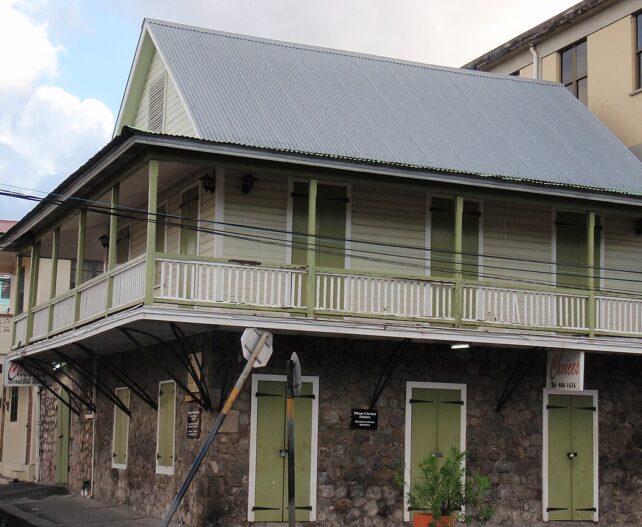
Within this regional context, the Resilient Houses Project explores the shared architectural heritage of Saba and Dominica. The initiative, presented by cultural practitioner Sharifa Balfour, a CCF grant finalist, examines traditional wooden building practices and their relationship to climate resilience, identity, and sustainability.
The project uses research exchanges, exhibitions, restoration work, and digital storytelling to document how historic construction methods have enabled communities to adapt to environmental conditions over generations.
“It’s not just safeguarding our history and culture,” Balfour stated. “It’s really saving our identity.”
The press release further notes that the project was presented alongside Artefacts of Jamaica, a digital heritage preservation initiative created by grantee, Jamaican visual artist Idris Veitch. It aims to build an open-access archive documenting Jamaica’s architectural history while drawing attention to buildings that are deteriorating or at risk of being lost.
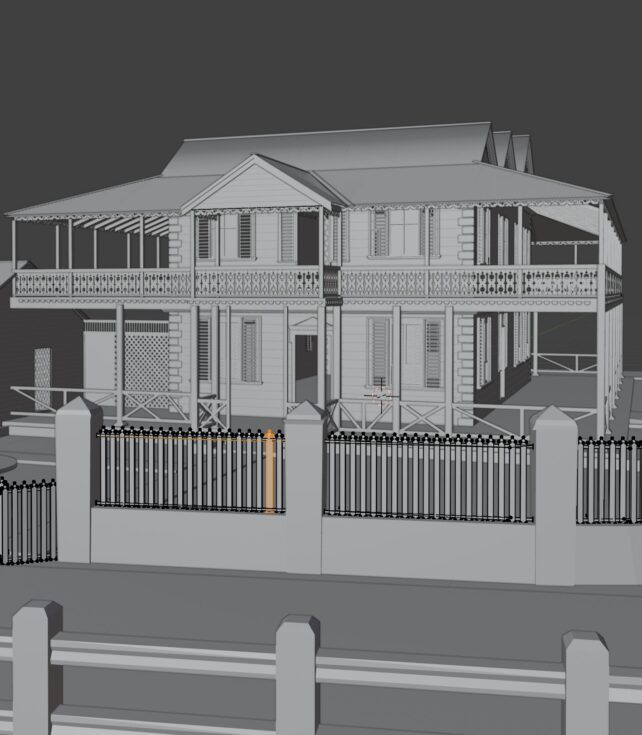
Veitch noted, as per the release, that some of the sites documented through the initiative have already disappeared or continue to decline, referencing his account that Waterloo House was flattened by Hurricane Melissa in late 2026. He emphasized the importance of making heritage more visible to the public.
“People walk past them as if they’re in the background,” he said. “When there’s so much history behind them.”
Also participating in the discussion was fellow-finalist US Virgin Islands photographer and cultural archivist Stephanie Chalana Brown, who presented Claiming Spaces: The African Story of the Sugar Mill. The project uses photography, oral histories, genealogy, and community engagement to explore African diaspora histories connected to St. Croix’s sugar mills, while challenging colonial narratives that have shaped their interpretation.
Brown said, “The tangible and material evidence provides a framework for us to say that we built this,” adding, “Because they (our ancestors) were able to endure, we still exist.”
While each project takes a different approach, the group emphasizes that all three share a common goal: strengthening connections between Caribbean communities and the histories, places, and knowledge systems that shape regional identity.
Participants also highlighted practical challenges of sustaining heritage work, noting in the release that long-term documentation, research, and community collaboration often require more consistent institutional support.
“What emerged clearly from the conversation was that artists are doing far more than documenting the past. They are helping communities understand their heritage, claim ownership of their histories, and carry them forward. As Veitch observed, artists often serve as translators, making culture and history more accessible and ensuring that the stories, places, and traditions that shape Caribbean identity remain visible for future generations,” asserted the release.
CCF confirmed that cultural preservation will remain a core priority in its ongoing regional programming.
For more information, visit caribbeanculturefund.org.
Disclaimer: The comments posted do not necessarily reflect the views of DominicaNewsOnline.com and its parent company or any individual staff member. All comments are posted subject to approval by DominicaNewsOnline.com. We never censor based on political or ideological points of view, but we do try to maintain a sensible balance between free speech and responsible moderating.
We will delete comments that:
See our full comment/user policy/agreement.