




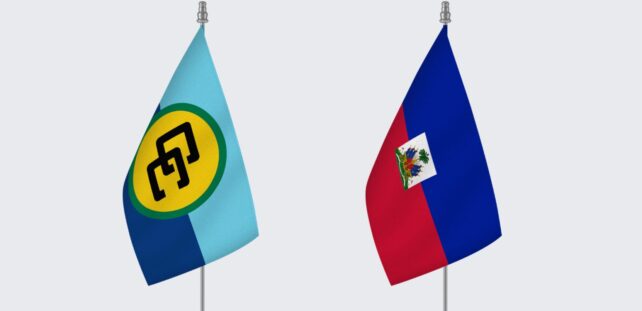
The Caribbean Community (CARICOM) has expressed deep concern over the ongoing political turmoil in Haiti, particularly in light of recent developments involving the country’s Transitional Presidential Council (TPC). Members of the TPC have announced their intention to remove Prime Minister Alix Didier Fils-Aime, despite clear warnings from the United States against such action, reported Al Jazeera.
The article further states that the announcement, made on Friday, intensifies the existing standoff between Haiti and Washington over the country’s leadership amid a prolonged crisis.
Haiti has faced repeated delays in holding elections due to escalating gang violence and pervasive instability.
Several members of the nine-member TPC reported that they had voted in favor of dismissing Fils-Aime and replacing him within a 30-day timeframe.
The TPC was established in 2024 as Haiti’s primary executive authority, created in response to a political crisis that has persisted since the assassination of President Jovenel Moise in 2021.
However, according to Al Jazeera, the panel quickly became embroiled in internal conflicts, with disputes over its membership and allegations of corruption further complicating efforts to stabilize the nation.
In its statement, CARICOM emphasized its concern over the internal discord at the highest levels of Haitian governance, particularly during such a “delicate point in time when stability and level-headedness in decision-making, and prioritization of the well-being of the Haitian people, are urgently required of members of the Haitian executive.”
The regional body underscored the importance of unity and responsible leadership in moving Haiti toward stability.
CARICOM says that according to the provisions outlined in the founding decree of the TPC and the Political Accord signed on April 3, 2024, the mandate of the council is set to conclude on February 7, 2026.
Nonetheless, the current deadlock—exacerbated by some members’ unsuccessful attempts to dismiss the Prime Minister—has further complicated an already delicate transition process.
Meanwhile, the Haitian population continues to endure unimaginable violence and hardship, which CARICOM considers unacceptable.
The organization called on all stakeholders in Haiti to set aside their differences and seek consensus, emphasizing the urgency of collaborative efforts to restore stability. CARICOM pledged that its Eminent Persons Group remains available to assist in mediating among various proposals and facilitating an agreement.
Ultimately, CARICOM stated, its primary aspiration is to halt the ongoing fragmentation that benefits criminal gangs and to re-establish durable political stability, security, and peace in Haiti.
The Community also stresses the importance of holding credible elections and shifting focus toward economic development and sustainable growth that benefits all Haitians.
“CARICOM calls on all Haitian stakeholders to put the future of their people and country above all else, and to act responsibly, and with urgency and patriotism,” urged the group.
When the CARICOM chairman made derogatory statements about Haitians, treating them like lepers, CARICOM lost its influence and mandate to play any significant role in the new governance of Haiti.
CARICOM is quite dysfunctional, it has certainly lost its way.
👍👍👍👍