



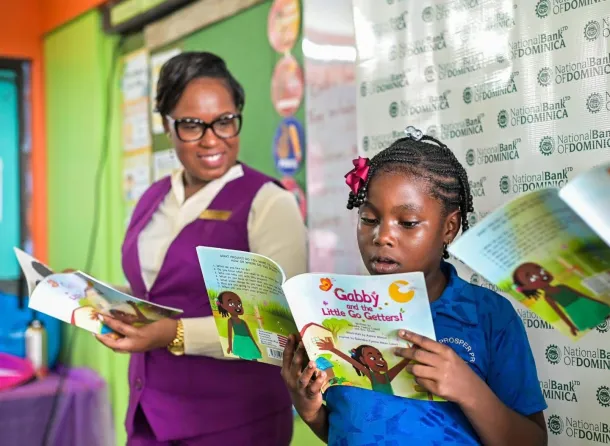
In a classroom in Dominica, a newly arrived student from the French-speaking island of Guadeloupe encountered initial difficulty communicating with her peers due to differences in language. To help bridge this gap, Natasha Yeeloy-Labad, Young Leader in the Youth for Peace: UNESCO Intercultural Leadership Programme, facilitated interactive activities that encouraged students to share their experiences and interact in small groups. Together they explored games, local expressions, and creative forms of communication, gradually finding new ways to understand one another across the language barrier.
This classroom moment reflects wider patterns across the island. In recent years, mobility within the Caribbean has increased, as people move in search of education, employment, and new opportunities. In Dominica, this is shaping communities and contributing to growing diversity. Schools now bring together students from rural and urban areas, indigenous communities, and diaspora backgrounds. While diversity alone does not guarantee inclusion or mutual understanding, opportunities for interaction across differences can play an important role in strengthening shared experiences among children and young people.
Recognizing this, Natasha has developed a dialogue-centred approach grounded in storytelling and peer exchange. Selected through Youth for Peace, implemented by UNESCO’s Social and Human Sciences Sector, she has received a grant, as well as ongoing training and mentorship. At the core of her initiative is the use of storytelling as a tool for intercultural dialogue. Through structured dialogue sessions, participants are encouraged to share personal experiences, listen to others, and explore different perspectives in a safe, facilitated environment. These exchanges support participants to relate ideas such as inclusion, respect, and coexistence to their everyday interactions.
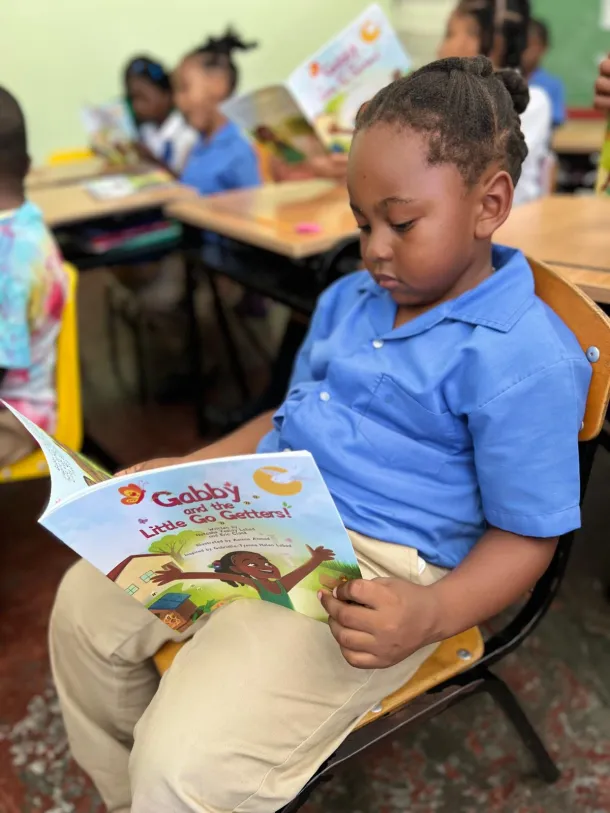
The approach begins in primary and secondary schools, where students from diverse backgrounds explore their identities and experiences through stories. Many participants have shown a strong interest in writing and sharing their own narratives, reflecting on moments when they felt included or excluded, and engaging with peacebuilding concepts in ways that are meaningful.
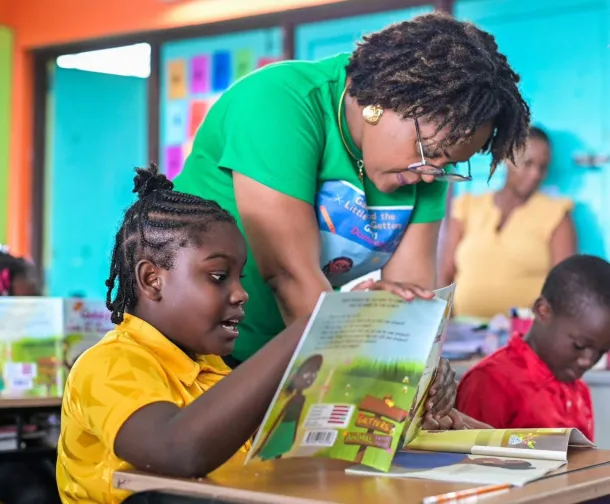
Importantly, the initiative extends beyond the classroom. The same dialogue-based approach is adapted to community settings, bringing together children from migrant backgrounds, including Nigeria and Haiti, alongside local Dominican children. These sessions create structured spaces where different experiences and perspectives can be shared openly and respectfully.
The project further engages older youth, creating opportunities for reflection and exchange on identity, behaviour, and conflict. By working across schools, community spaces, and youth groups, it adopts a strong intergenerational approach, bringing together children, youth, and older community members in dialogue, extending lessons in inclusion, respect, and understanding beyond a single setting into the wider community.
Looking ahead, activities will continue through peacebuilding workshops, intercultural sessions, peer meetups, and school exchanges, supporting participants in putting these skills into practice in real life contexts.
The Youth for Peace UNESCO Intercultural Leadership Programme is supported by the generous contribution of the Kingold Group.
All views and opinions expressed in this article are those of the author.
This article was first published by UNESCO on April 30, 2026.
Disclaimer: The comments posted do not necessarily reflect the views of DominicaNewsOnline.com and its parent company or any individual staff member. All comments are posted subject to approval by DominicaNewsOnline.com. We never censor based on political or ideological points of view, but we do try to maintain a sensible balance between free speech and responsible moderating.
We will delete comments that:
See our full comment/user policy/agreement.