



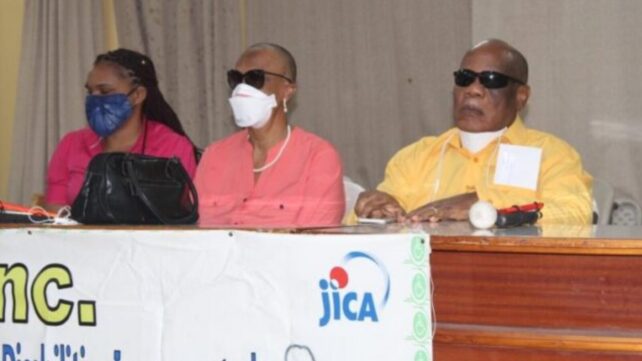
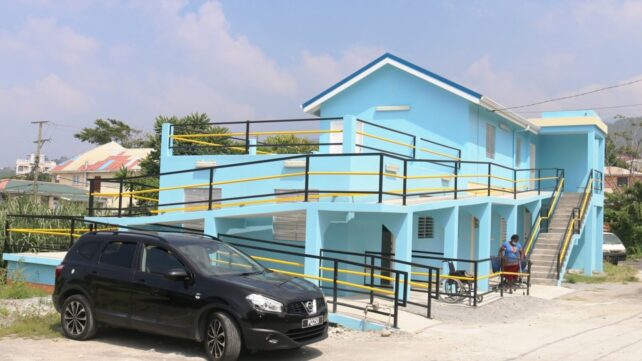
 When Disaster Strikes Twice When Hurricane Maria devastated our island in 2017, it exposed a harsh reality – people with disabilities (PWD) faced not one, but two disasters. While the rest of us faced the hurricane’s fury, people with disabilities encountered an additional crisis: emergency systems fundamentally unprepared to meet their needs. The evidence was stark: inaccessible evacuation routes, emergency shelters lacking basic accessibility features, warning systems that didn’t reach everyone, and relief efforts that unintentionally excluded those with mobility, sensory, or cognitive disabilities.
Champions of Change We’re now in 2025, and the Dominica Association of People with Disabilities (DAPD) stands at the forefront of addressing these critical intersection points between disability and climate disaster. This organisation has been pioneering inclusive disaster preparedness workshops, advocating for accessible shelter design, and facilitating training in disability awareness. Their motto – “Nothing about us, without us” – emphasises the critical importance of including people with disabilities in all climate adaptation planning. Earnica Espirit, Executive Director of the DAPD, notes promising developments. PWDs have increasingly been included in consultations and policymaking processes, and there is growing awareness among authorities about their specific needs during climate disasters. The DAPD’s work extends beyond emergency response to the foundations of community understanding. Their advocacy reaches into classrooms, starting as early as preschool, to build awareness about disability challenges and foster compassion from a young age. Regarding Dominica’s ambitious goal to become the world’s first climate-resilient nation, Espirit’s perspective is profoundly simple yet powerful: “Climate resilience is people.” This concise statement encapsulates a fundamental truth – true resilience must include everyone, especially the most vulnerable. The story revealed both significant challenges and reasons for hope. Through my fellowship, I’ve gained a deeper understanding of how climate justice must include disability justice. As extreme weather events intensify across our region, ensuring no one is left behind isn’t just sound policy – it’s a moral imperative. Check out the story I worked on together with fellowship colleague, Giovanni Dennis, of Jamaica.
As CEO and Communication Lead of Kopounoule Inc., a youth-led NGO, she champions environmental sustainability and supports vulnerable groups in Dominica. With a BSc in International Relations and Sociology from the University of the West Indies, Mélinard aspires to a career in policy and research, focusing on the intersection of climate and social justice. | Instagram | LinkedIn | Facebook | TikTok |
 Whitney [Mélinard] is an Indigenous youth from the Kalinago Territory in Dominica. Motivated by a desire to address social and environmental challenges in her community, she founded the Kalinago Ripple Effect Initiative to advocate for Indigenous perspectives and policy change.
I am most pleased with this article. It shows our upcoming intellectuals are taking note and also taking action and highlighting the critical areas for socio-politico-economic and cultural interventions.
Part of my work encompasses Emergency Telecommunications as well as Early Warning Systems as it relates to People with Disabilities or differently abled members of the community.
The tagline “Nothing about us without us” put forward by DAPD is so apropos.
I would really like to know more about the CEO and Communication Lead of Kopounoule Inc., a youth-led NGO.
DNO can you do a feature on this NGO and advocacy group?