




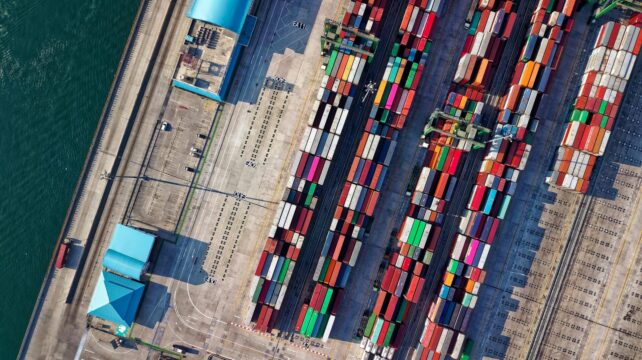
After a three-day massive port strike across America’s East Coast port workers have returned to work.
According to previous reports from CNN, nearly 50,000 members of the union, International Longshoremen’s Association (ILA) went on strike on Tuesday, October 1, and were requesting an increase in wages.
Reports from msn.com today stated that the work stoppage had threatened to disrupt supply chains, causing shortages of some consumer goods and supplies needed to keep US factories running. It also temporarily cut off the flow of many American exports, putting overseas sales at risk for some US businesses.
“But relatively little damage was done, with the strike lasting only three days, especially since many shippers had rushed to move their goods through the ports ahead of the 12:01 AM Tuesday start of the strike, a deadline that had been known for months,” the report stated.
The maritime alliance, which operates under the acronym USMX, agreed to raises of $4 an hour for the union members on top of the current base pay of $39 an hour, an immediate raise of just more than 10%, according to a person familiar with the deal. Then union members will get additional $4-per-hour raises every year during the life of the six-year tentative deal. That will raise pay by a total of $24 an hour during the life of the contract, or by 62% in total.
“The union had been willing to consider the $4-an-hour deal before the strike, union boss Harold Daggett said on the picket line outside the Port of New York and New Jersey early Tuesday, soon after the start of the strike. But when the company countered with a $3-an-hour offer, he rejected it with colorful language and took his members out on their first strike since 1977,”msn.com reported. “But Thursday the USMX agreed to up its offer, and the strike came to a quick conclusion.”
The report added, “Once there was an agreement on wages, both sides were eager to get workers back on the job as soon as possible, although there is still more to be done on the rest of the contract.”
Read full story in link below:
The port strike is over. Here’s what happens next (msn.com)
—
The governments of the region are averse to learning or they don’t give one damn about the well-being/welfare of their citizens.
If this strike was not averted so quickly, supply chain problems would have place us in dire straits just as the Covid-19 pandemic. We have too many cartoonish characters at the top of the food chain in governments in the Caribbean.
One of our major priorities should be Food Security. We have enough arable lands, suitable year round chaotic conditions, an adequate labour force, to achieve this. However, lack of leadership and political will stick out like a sore thumb.
Where leadership is lacking everything else is lacking. The Caribbean region is a prime example of this.