




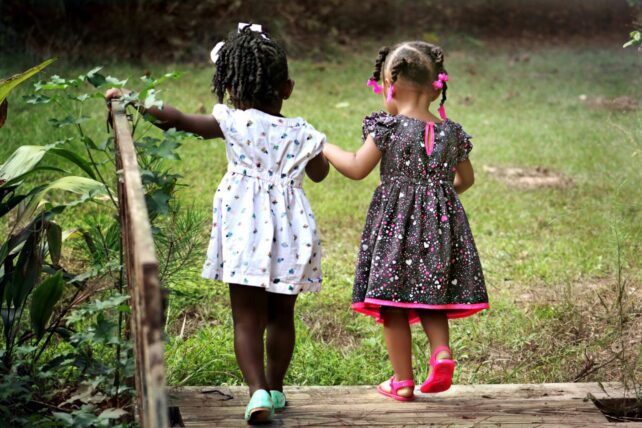
The year 2025 has seen a notable intensification of the climate emergency and its disproportionate impact on vulnerable communities. The World Meteorological Organization (WMO) has issued a warning that global average temperatures could surpass the critical 1.5°C mark within the next five years, said a recent UN report. It further stated that in Latin America and the Caribbean, escalating temperatures and greenhouse gas emissions are further straining access to vital services and exacerbating poverty, especially among children.
“Children and adolescents bear the greatest burden of climate change,” stated Roberto Benes, the Regional Director for Latin America and the Caribbean at the United Nations Children’s Fund (UNICEF). “Not only because their developing bodies are more vulnerable to extreme phenomena such as cyclones or heatwaves, but also because these events disrupt their families’ livelihoods and their education. If children and young people don’t have the resources to meet their basic needs and develop their potential, and if adequate social protection systems are not in place, the region’s inequalities will only be perpetuated.”
On August 28, a collaborative report titled *The Impact of Climate Change on Child and Youth Poverty in Latin America* was released by the Economic Commission for Latin America and the Caribbean (ECLAC) and UNICEF. It examines how climate change influences youth poverty levels and reviews current governmental and humanitarian strategies aimed at climate adaptation and mitigating losses.
This report reveals that, since the COVID-19 pandemic, poverty rates across Latin America have surged significantly, with approximately 22 million additional individuals falling into poverty. It is estimated that about 94 million children and adolescents now live in poverty, accounting for 52 percent of the region’s impoverished population. Although youth constitute only 39 percent of the total population, nearly 40 percent of children under 15 are living in poverty.
The WMO identified that the occurrence of extreme weather events in Latin America has dramatically increased, reaching nearly 30 incidents annually in the early 2020s. Some Caribbean nations are already experiencing monthly temperature rises that exceed the 1.5°C threshold. Meanwhile, countries like Argentina and Chile are experiencing temperature increases below 1°C but are facing unpredictable precipitation patterns that lead to flooding, especially in low-lying coastal zones.
The UN press statement outlined that UNICEF’s Child Climate Risk Index indicates that climate change has placed approximately 55 million children in Latin America and the Caribbean at risk of water shortages, 60 million at risk of cyclones, and 45 million exposed to extreme heat. The frequency of floods and landslides caused by intense rains has surged, damaging essential infrastructure such as schools, health clinics, and water, sanitation, and hygiene (WASH) facilities. These climate-related disasters have also contributed to a rise in waterborne and vector-borne illnesses like diarrhea, malaria, Zika, and dengue.
Moreover, states the UN, agricultural productivity and food security have been compromised by persistent droughts, especially in northeastern Brazil, parts of the Southern Cone, and the Central American dry corridor. Children and adolescents from impoverished backgrounds in these regions face prolonged nutritional deficits, increasing their risk of malnutrition. Projections suggest that between 570,000 and over 1 million children under age five could experience stunted growth by 2030 due to climate impacts.
Economic estimates show that losses from natural disasters have increased nearly tenfold since the 1960s.
“These increasing impacts divert resources towards damage repair and adaptation instead of investing in infrastructure, education, or innovation. This creates an opportunity cost by limiting potential growth and perpetuates development gaps, hindering the reduction of inequalities in Latin America,” the report said.
In its statement, the UN said that existing policies and funding for climate adaptation often overlook the specific needs of children, leaving critical services like health, nutrition, education, water, and sanitation underfunded. This neglect jeopardizes children’s physical and cognitive development. By 2030, it is projected that at least 5.9 million more children, adolescents, and youth could fall into poverty, with the potential for this number to triple—up to nearly 17.9 million—if funding and humanitarian responses remain insufficient.
UN findings are that despite being among the most vulnerable groups, children and adolescents in Latin America and the Caribbean receive only about 3.4 percent of the region’s multilateral climate finance, amounting to roughly USD 743 million. However, according to the research, much of this funding is restricted to education initiatives and does not address urgent needs in healthcare, which is critical given the rising morbidity rates among children in the region. Additionally, child-focused climate funds are limited to just six countries: Brazil, Cuba, Guatemala, Haiti, Trinidad and Tobago, and Uruguay.
The report further emphasizes that climate change is likely to deepen existing economic inequalities and gender disparities. Latin America and the Caribbean—labelled “the most unequal region in the world”—are expected to see poorer households facing higher poverty rates, slower recovery, and greater challenges in adapting to climate shocks. Women and girls are reported to be especially vulnerable, experiencing higher unemployment, difficulties reentering the workforce, loss of assets, and increased dropout rates from school.
“Without investment in resilient services for children, and without sustained political will from countries and other sectors to reduce greenhouse gas emissions, the children and youth of 2030 will continue to be deprived of their rights,” warned UNICEF climate advisor Reis López.
Disclaimer: The comments posted do not necessarily reflect the views of DominicaNewsOnline.com and its parent company or any individual staff member. All comments are posted subject to approval by DominicaNewsOnline.com. We never censor based on political or ideological points of view, but we do try to maintain a sensible balance between free speech and responsible moderating.
We will delete comments that:
See our full comment/user policy/agreement.