




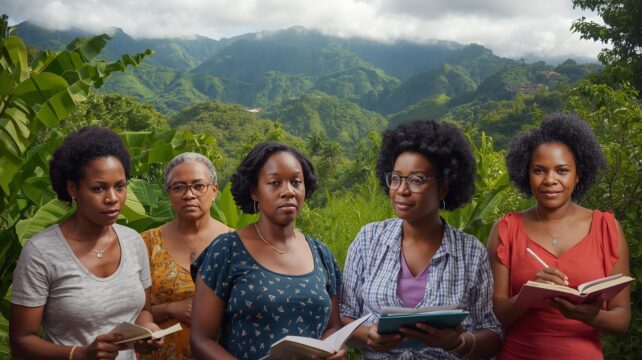
A reflection for International Women’s Day
Each year on March 8, the world observes International Women’s Day, a moment to recognize the contributions of women across society. While much attention often focuses on politics, business, or science, literature is another space where women continue to shape how societies understand themselves and tell their stories.
As a writer and reader living in Dominica, I have often been struck by how many of the literary voices actively writing, publishing, and participating in literary conversations today are women. In poetry readings, community events, literary festivals, and Caribbean anthologies, women appear to be playing an increasingly visible role in shaping the literary landscape of the island. For this reason, International Women’s Day provides a meaningful opportunity to recognize some of the Dominican women whose work contributes to the island’s cultural life and literary heritage.
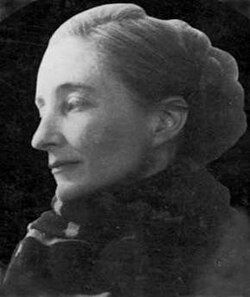
One of the most significant literary figures in Dominica’s history is Phyllis Shand Allfrey. Her novel “The Orchid House”, published in 1953, remains one of the earliest works of fiction to portray Caribbean society through the perspective of women’s experiences. Allfrey was not only a writer but also a pioneering political figure who played a role in the early democratic life of Dominica. Her legacy reminds us that literature and civic engagement often go hand in hand.
Among contemporary Dominican voices is poet Celia Sorhaindo, whose work reflects both the beauty and vulnerability of island life. Her poetry collection “Guabancex” was inspired by the devastation caused by Hurricane Maria, capturing the emotional impact of that historic storm while exploring themes of resilience, memory, and healing.
Dominica continues to produce a wealth of talented women writers across genres, from poetry to children’s literature and storytelling. In 2025, numerous Dominican women are actively contributing to the island’s literary life, with their work appearing in books, anthologies, and literary events. These writers, whether emerging or established, continue to enrich the cultural landscape of Dominica, ensuring that women’s voices remain a vital part of the island’s storytelling tradition.
Dominican literature also finds vibrant expression in children’s books, where storytelling shapes how younger generations understand their environment and culture. Author Jamie Alleyne contributes to this tradition with her picture book “Why Are Onions So Sad?”, a whimsical story that invites young readers to explore emotions and curiosity through everyday objects. Another contribution to children’s literature comes from Petrea Honychurch Seaman, author of “Goodnight My Sweet Island”, a gentle story that celebrates the natural beauty and rhythms of island life. Through its imagery and storytelling, the book encourages children to appreciate the landscapes and quiet moments that make Dominica unique.
Similarly, Mara Etienne-Manley has contributed to Dominican storytelling with “I Am Dominica / Mwen Sé Dominik”, a bilingual children’s book written in English and Creole. The book celebrates the island’s culture, language, and natural beauty while inviting young readers to take pride in their identity and heritage.
Poet and storyteller Jane Ulysses Grell also contributes to this rich literary landscape. Her work draws inspiration from Caribbean oral traditions and cultural memory, preserving the rhythms and storytelling practices that have long been part of Dominican community life.
Together, these writers demonstrate how literature can take many forms—from novels and poetry to children’s stories—but always remains rooted in the lived experiences of the island.
For small nations like Dominica, literature plays an important role in preserving identity and collective memory. Writers help capture emotions, traditions, and everyday experiences that statistics or official reports cannot convey. Through their words, the landscapes, voices, and stories of the island continue to travel beyond its shores.
As we observe International Women’s Day, recognizing women in literature reminds us that culture is shaped not only by institutions, but also by individuals who dedicate themselves to storytelling and reflection.
Dominican women writers, past and present, continue to contribute to that cultural legacy. Their work preserves memories of the island, reflects the realities of the present, and inspires future generations of readers and writers.
Author
Yaritza Barbosa is a certified translator based in Dominica with a strong interest in literature, language, and Caribbean cultural life.
Disclaimer: The comments posted do not necessarily reflect the views of DominicaNewsOnline.com and its parent company or any individual staff member. All comments are posted subject to approval by DominicaNewsOnline.com. We never censor based on political or ideological points of view, but we do try to maintain a sensible balance between free speech and responsible moderating.
We will delete comments that:
See our full comment/user policy/agreement.