




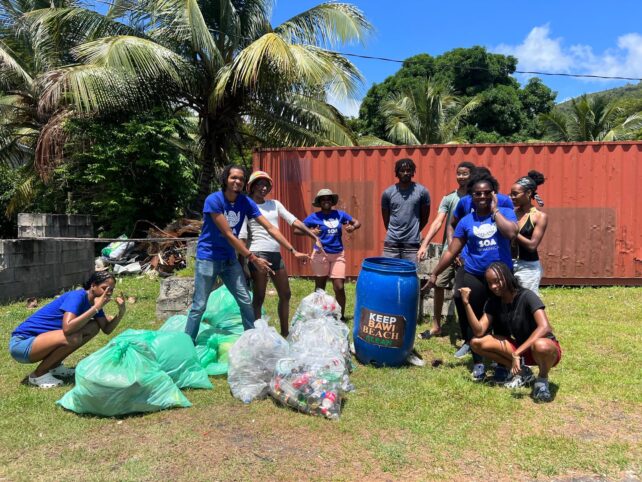
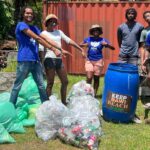
Sustainable Ocean Alliance (SOA) Dominica recently celebrated its first beach cleanup event, which was deemed a remarkable success. The cleanup occurred at the well-known Salisbury Beach (Bawi), a cherished location frequently utilized for community gatherings and activities. The main objective of this initiative was to eliminate artificial waste from the shoreline, prevent further contamination of the ocean floor, and improve the beach’s visual appeal.
Commencing at 10:00 AM, a group of 12 enthusiastic volunteers meticulously scoured the beach for litter. Their focus was on gathering recyclables, biodegradable materials, and various types of debris, including plastics and soft metals. By 1:00 PM, the team had successfully collected and sorted eight bags of waste. Among these, four bags were identified as recyclables, with glass bottles being the most common item, followed by plastic bottles, food containers, and even three rubber tires. The total weight of the collected debris was approximately 2,568.8 lbs. Editor’s Note: This figure has since been revised to an estimated 1267.9 lbs.
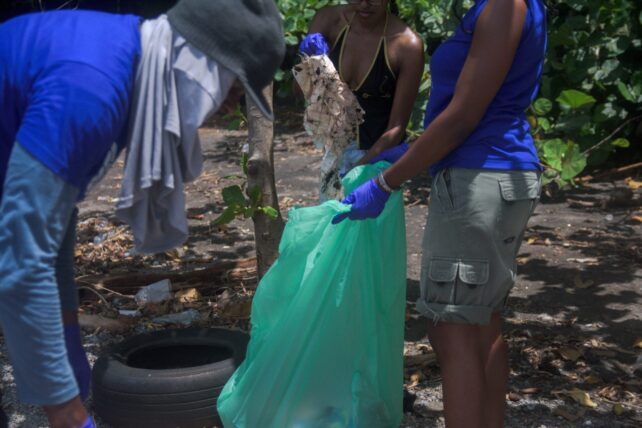
The environmental significance of this cleanup is profound. Plastics can take as long as 450 years to decompose, posing a serious risk to marine life, which often confuse them for food. Glass bottles can take up to a million years to break down, contributing to ecological harm, while rubber tires, which last around 50 to 80 years, can release toxic chemicals into the ocean. By removing these hazardous items, the volunteers played an essential role in protecting the marine ecosystem and ensuring that the beach remains a safe and attractive environment for both the local community and marine creatures.
Shania Scotland, Project Manager and Co-Leader of SOA Dominica, highlighted the crucial role that distribution companies have in promoting responsible waste disposal and managing their waste, particularly glass and plastic bottles. “We noticed a lot of Heineken and Coca-Cola bottles. Distributors and suppliers can play a more impactful role in ensuring that these materials end up in the main waste system, not on our beaches. These areas are not just for our enjoyment; they are homes to marine life. We have to ensure we take care of them because we share these spaces with them,” Scotland stated.
This initiative was made possible through the commitment and hard work of the volunteers, who not only collected and sorted waste but also gained valuable insights into their role in mitigating human impact on the ocean. The volunteers expressed their enjoyment of the experience and their dedication to continuing similar efforts in the future.
SOA Dominica, via statement, extended thanks to the Dominica Solid Waste Management Corporation for their vital assistance in the debris collection process and for ensuring the proper disposal and recycling of the waste collected during the cleanup. Their support was crucial to the success of this initiative and underscores the importance of collaboration in environmental conservation.
Looking forward, SOA Dominica plans to further involve the public and its members in sustainable ocean practices through its SAIL Project. This will encompass awareness campaigns, online seminars, school outreach programs, and additional collaborative beach cleanups.
why don’t they call it S.O.A.P as in (CLEAN UP) but yes a good idea. people just have to show more respect to nature because it’s already to late.
Sustainable Ocean Alliance Project.
why don’t they call it S.O.A.P as in (CLEAN UP) but yes a good idea. people just have to show more respect to nature because it’s already to late.
I never really get why beach cleanups are described as a success. Why were they full of crap in the first place? Rivers and beaches are full of bottles, broken glass, plastic cups after every weekend. What’s wrong with people?
PS. Thanks to those who gave their tim3 to do the cleanup.
Waste of time the same day the beach dirty again, because Dominican’s don’t take care of the nature island!